What to Do When a Parent Has a Fall at Home: Immediate Steps
In this article
The phone call every daughter dreads. Beyond calling 000, here is what you need to do in the first 24 hours to ensure they get the right ongoing support, written by someone who has taken that panicked drive.
It was 11:45 PM on a Tuesday when my phone buzzed. I knew before I even picked it up. It was Mum's neighbor. "Bec, the ambulance is here. Your Mum had a fall in the bathroom. She's been there since dinner time."
The drive to her house was a blur of tears and "what ifs." I felt like a failure. How did I not know? Why didn't she call me? The guilt was as thick as the fog on the windscreen.
If you are in that moment right now, or if you've just come home from the hospital, take a deep breath. This is a turning point, yes, but it is not the end. It is the beginning of a new way of caring for them.
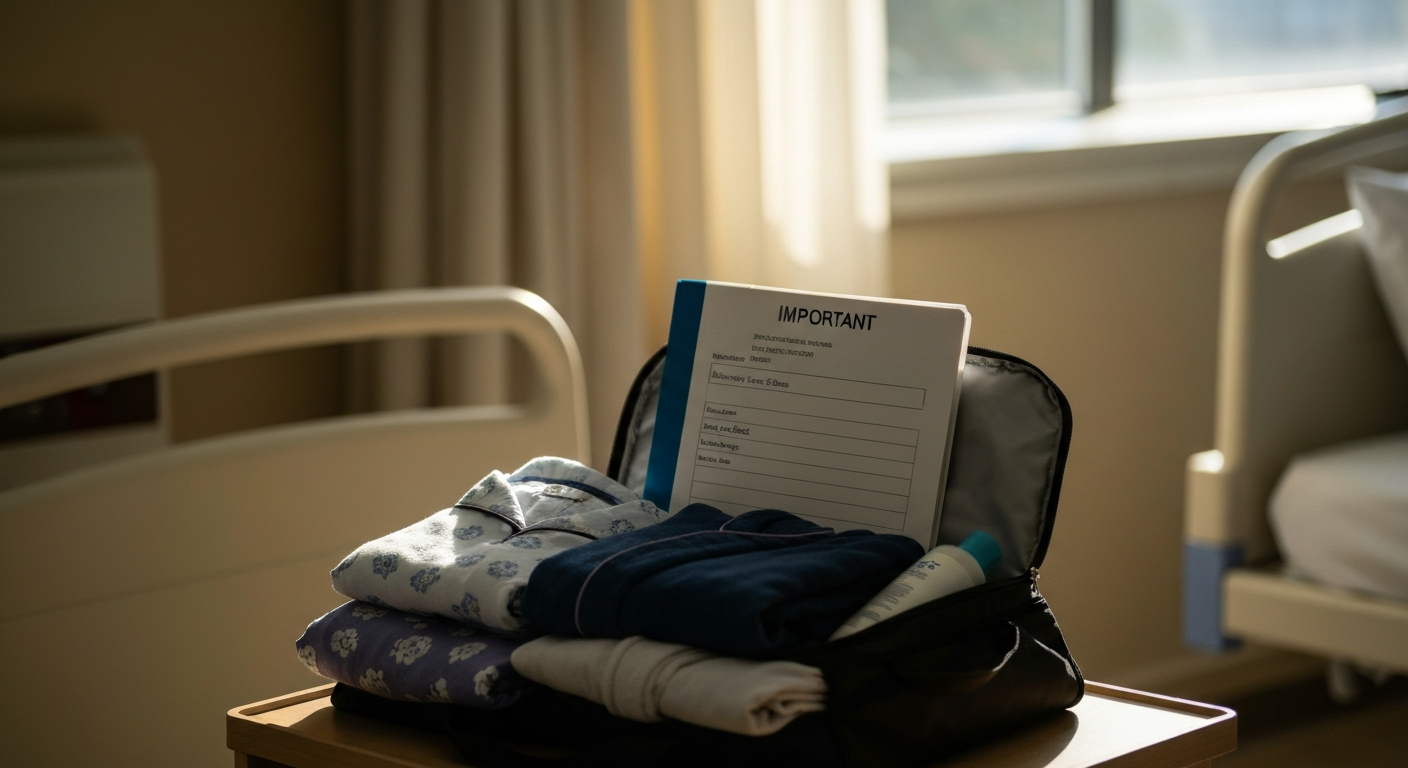
Don't leave home without the essentials.
When you're racing to the hospital, you'll forget everything. My The Essential Hospital Ready Organiser is a pre-packed checklist of exactly what they (and you) need for the first 48 hours.
1. The First Hour: Focus on the Medical
In the immediate aftermath, your only job is to be the historian. The paramedics and doctors need to know:
- The "Why": Was it a trip, or did they feel dizzy? This is the difference between a broken hip and a heart issue.
- The "How Long": How long were they on the floor? "Long lies" can cause serious kidney issues (rhabdomyolysis) that aren't immediately obvious.
- The "Meds": Are they on blood thinners? This is critical for the doctors to know if there's a risk of internal bleeding.
This is why having your Your Parent’s Medical History Organiser ready is a lifesaver. You don't have to remember their dosages while you're shaking in the Emergency Department waiting room.
2. The Hospital Stay: Advocate, Advocate, Advocate
Once they are "stable," the hospital will start looking for the exit. Do not let them rush it. (Read my guide on Hospital Discharge for the exact phrases to use).
Ask for a "Falls Review." This isn't just about the injury; it's about looking at their medications, their eyesight and their balance. A fall is rarely "just a trip" in someone over 80.
3. Evaluating the Home: Is it Still Safe?
While they are in the hospital, go back to the house. Look at it with fresh, objective eyes.
- Are there loose rugs?
- Is the lighting too dim in the hallway?
- Is the shower impossible to get into?
My Early Signs Your Aging Parent May Need More Support has a room-by-room checklist to help you decide if home is still the right place, or if you need to start looking at Residential Care.
The "Hyper-Vigilance" Phase
After a fall, you'll jump every time your phone rings. It’s exhausting. If you're struggling with the anxiety of "the next call," please take my Burnout Quiz. You can't be on high alert forever.
4. Starting the Support Conversation
A fall is often the "permission slip" you need to start getting help. "Mum, that fall was so scary for both of us. Let's look at getting an ACAT assessment so we can get some help with the cleaning and the shopping."
Use the fall as the reason, not their age. It makes it less about "getting old" and more about "preventing another scary night."
You're doing great, Bec. That night was a shock, but you handled it. Now, let's focus on the recovery.
I'm here to support you.
Much love,
xBec

Written by Bec, a daughter who figured out the aged care system the hard way so you don't have to
Read my story →Where Are You on the Journey?
Feeling lost in the aged care maze? Take our free 5-question quiz to pinpoint your exact stage and get a customized roadmap of what to do next.
Connect With Us
Join our community for daily tips, honest stories, and support from others walking this path.